
Showing all 12 resultsSorted by latest
CCTV Video Recorders
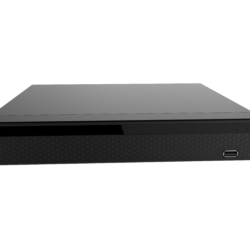
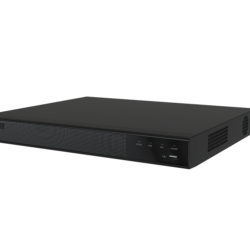
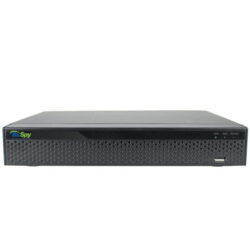
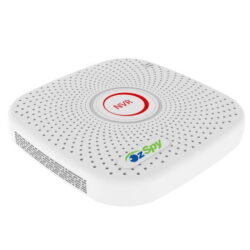
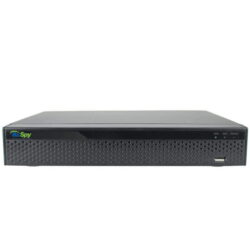
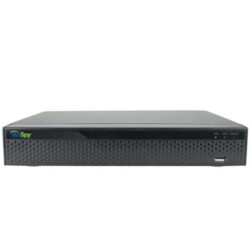
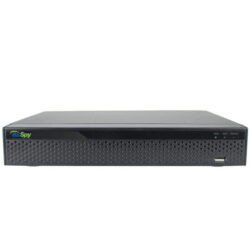
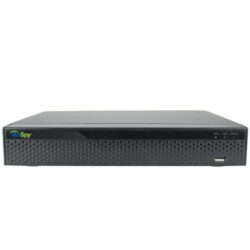
CCTV Video Recorders – DVR, XVR and NVR Systems
The video recorder is the core of any CCTV system. Your choice of recorder determines image quality, recording resolution, storage capacity, remote access performance and overall user experience.
Selecting the correct recorder from the beginning prevents compatibility issues and ensures your system performs reliably long term.
Choosing the Correct Recorder Type
- IP cameras require an NVR or a hybrid XVR that supports IP inputs.
- Analogue systems including TVI, CVI, AHD or traditional analogue require an XVR or hybrid recorder.
Hybrid XVR systems support multiple signal types, allowing integration of TVI, CVI, AHD, CVBS and IP cameras within one recorder.
System Compatibility
Modern recorders are designed to operate with a wide range of camera brands and formats. Confirming compatibility before purchase avoids resolution limitations and feature restrictions.
Recording Resolution and Storage
Always verify the recording resolution of the recorder itself, not just the HDMI output rating displayed on packaging. True recording resolution determines the quality of stored footage.
Higher resolutions increase storage usage and bandwidth requirements. Optimising frame rates and enabling H.265 compression can significantly reduce storage load while maintaining clear footage.
Motion Detection and Intelligent Analytics
Basic motion detection compares pixel changes, which can result in missed events or unnecessary alerts.
Modern systems support continuous recording combined with intelligent event tagging. Advanced models include AI-based human detection to reduce false triggers caused by weather, lighting changes or animals.
This configuration ensures full footage capture while simplifying event review.
Remote Viewing and Mobile Access
Most NVR and XVR systems support secure remote viewing via mobile applications and web platforms. Users can:
- View live camera feeds
- Search and replay recorded footage
- Access systems from anywhere with internet connectivity
Push Notifications
Event notifications can be configured to alert users when motion or AI-detected activity occurs. Notification performance may vary depending on mobile device settings and network conditions. Testing alert reliability after setup is recommended.
Audio Capability
Recorder audio functionality depends on the camera and recorder configuration. Options may include:
- Built-in camera microphones for basic audio capture
- Dedicated audio input and output ports for external microphones and speakers
External audio systems generally provide clearer sound but require additional configuration.
Two-Way Communication
Some recorders support two-way audio. Performance depends on microphone quality, speaker size and network latency. Integrated speakers are often limited in volume, particularly for outdoor use.
Where reliable two-way communication is critical, systems that support external audio hardware provide better results.
Power Requirements
- PoE recorders supply 48V or 52V Power over Ethernet to compatible IP cameras.
- Non-PoE recorders typically use 12V DC power supplies.
Confirming the correct power configuration ensures stable operation and prevents equipment damage.