
Showing all 11 resultsSorted by latest
DIY Security Camera Kits
-
Sale!
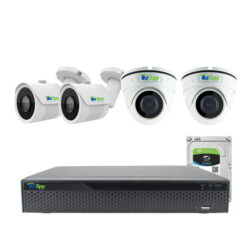
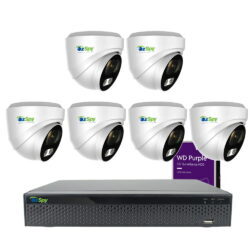
8MP 4k Indoor Outdoor 4 Cam DIY CCTV Security Camera Kit
Original price was: $989.75.$889.75Current price is: $889.75. Learn more -
Sale!
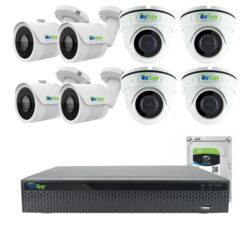
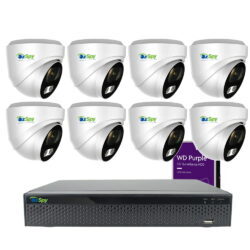
8MP 4k Indoor Outdoor 8 Cam DIY CCTV Security Camera Kit
Original price was: $1,679.55.$1,479.55Current price is: $1,479.55. Learn more
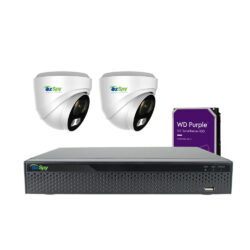
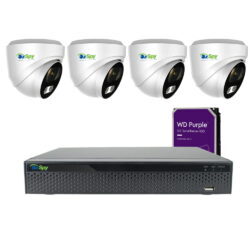
How to Choose the Best DIY Home Security Camera System
Installing a DIY security camera system is one of the most cost-effective ways to improve home protection. With more Australians choosing self-install systems, the key is selecting equipment that performs reliably in real-world conditions.
With so many kits available, understanding what truly matters will help you choose the right system the first time.
1. Focus on Real Performance
Avoid being distracted by marketing buzzwords. Instead, compare practical performance factors:
- True camera resolution – Check the actual image sensor rating, not just HDMI output.
- Night vision quality – Look at IR range and real footage examples.
- App stability and usability – A reliable app is critical for daily use.
A system should perform consistently during both normal operation and critical events.
2. Consider Your Installation Needs
Before buying, ask:
- Do you want cameras to act as visible deterrents or be more discreet?
- Are you comfortable running cables and using basic tools?
- Do you require remote viewing, or will local monitoring be enough?
Also consider after-sales support. Extremely low-cost systems may offer limited assistance if issues arise.
3. Compare Key Features Carefully
Important features to assess include:
- Night vision performance – Clear identification after dark.
- Motion detection accuracy – Reliable alerts without constant false triggers.
- Wired vs WiFi – Wired systems generally provide greater stability and resistance to interference.
WiFi systems can be convenient but depend heavily on signal strength and internet stability.
4. Check Reviews and Supplier Reputation
Read independent reviews about both the equipment and the supplier. Look for feedback on:
- Ease of installation
- Long-term reliability
- Customer support quality
Consistent complaints about support or durability are warning signs.
5. Seek Expert Advice When Needed
If you’re unsure which system suits your property layout or budget, professional guidance can prevent costly mistakes.
Established suppliers can help you select appropriate camera types, storage capacity and layout design based on real-world experience.
DIY Security Camera Kits That Perform
Quality DIY kits should be built for continuous operation and dependable recording:
- Designed for 24/7 operation
- Clearly stated sensor resolution
- Reliable hardware suited to Australian conditions
- Stable firmware and ongoing support
A well-built 1080p system often delivers better practical results than an unreliable “4K” kit with inflated specifications.
Understanding Resolution Claims
Some systems advertise high output resolution that does not reflect the true camera sensor capability. Always confirm the native sensor resolution rather than relying solely on marketing labels.
Choosing equipment based on accurate specifications ensures you receive the image quality you expect.
Related Pages
Wireless vs Cabled Systems
DIY Security Cameras Guide
Installed Home Security Systems
DIY Home Security Alarms